Cognitive Load Theory in Schools: Why Less is More for Learning
Nicole Nolan | WiseLearn Education
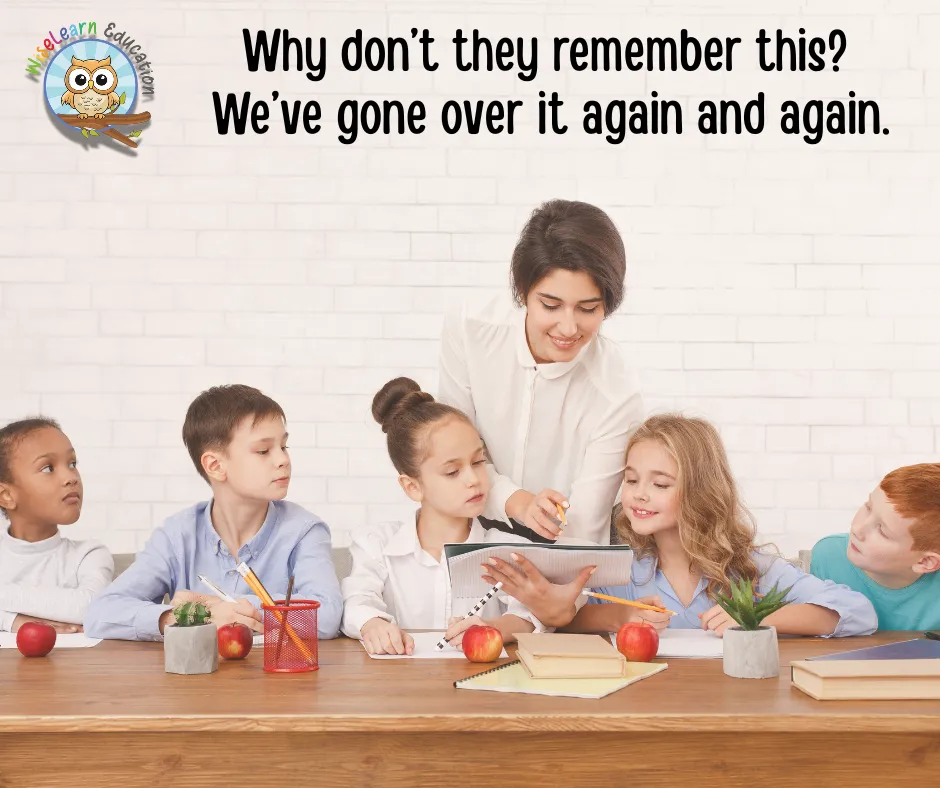
“Why don’t they remember this? We’ve gone over it again and again.”
Every teacher has felt that frustration. The answer isn’t usually ability — it’s cognitive load.
Cognitive Load Theory (CLT), developed by John Sweller, explains that our working memory is limited. If we overload it with too much information, the brain simply cannot process it into long-term memory.
Think of it like juggling: most of us can handle 3–4 balls, maybe 5–6 if we’re trained. But give us 8 or 9 at once, and the extras just drop.
Why Cognitive Load Hits Some Students Harder
Not all students carry the same “load limit.” Some struggle more because:
Working memory capacity varies. Some kids can hold more information in mind than others.
Stress and dysregulation shrink capacity. Anxious or tired students shift into “threat mode,” which reduces working memory bandwidth.
Language and prior knowledge matter. If instructions are full of unfamiliar words, or there’s little prior knowledge to connect to, the load increases.
Learning differences. ADHD, dyslexia, or other neurodivergences can make holding and manipulating information harder.
And here’s the kicker: we live in an information-rich world. Accessing information is easy. But knowing how to filter, focus, and process it isn’t. That’s where many students get lost.
Practical Tools for Reducing Cognitive Load in Classrooms
The good news? Teachers can reduce load with simple strategies that make learning stick. Here are a few:
Break it down. Give instructions step by step. “First, write the heading. Then, open your book. Next, draw the diagram.”
Dual coding. Pair words with visuals — diagrams, colour, icons — to lighten the load on text.
Colour coding. My own daughter’s teachers do this brilliantly, highlighting key steps or sections so the brain instantly knows where to focus.
Build in pauses. Give time to process before piling on the next step.
Check in. Ask students to recap instructions in their own words. This shows what’s stuck — and what isn’t.
Simplify texts and templates. Instead of overwhelming students with full pages, reveal sections at a time or cover parts with a piece of paper. Better yet, offer this as a strategy for everyone so no child feels singled out. Universal tools build confidence for all learners.
Why This Matters
When cognitive load is managed, students feel calmer, more capable, and less overwhelmed. And crucially: learning transfers into long-term memory.
It’s not about cramming in more. It’s about creating the conditions for knowledge to land.
How do you reduce cognitive load for your students?
#WiseLearn #CalmClassrooms #Neuroscience #CognitiveLoad #Education


