Calm, Connected and Creative Classrooms
A practical, neuroscience-informed guide for educators supporting learning in real human systems

Teaching and learning today ask so much of you.
More emotional load.
More behaviour to interpret.
More language about regulation, trauma-aware practice and co-regulation — often without clear guidance on what this actually looks like day to day.
Many educators and adults supporting children care deeply and still find themselves wondering:
What does co-regulation actually mean in practice?
What does trauma-aware education look like beyond the theory?
How do I support regulation without adding another program or set of tools?
This guide was created to answer those questions.
A short preview of the guide’s foundations and structure.
This is not another behaviour program...
This guide is not about fixing children or managing behaviour through control.
It is about understanding what sits beneath behaviour — in the brain, the body and the nervous system — and translating that understanding into everyday practice.
Regulation and co-regulation are often discussed as important ideas, yet they can feel abstract or even mystical. Trauma-aware education is widely referenced, but many educators are left asking how it connects to what they already do in classrooms, homes and learning environments.
This guide bridges that gap.
It builds understanding and shows how regulation is supported through routines, relationships and rhythm — without adding another program, checklist or set of tools that sit outside your existing practice.
What this guide offers
This guide brings together neuroscience, social and emotional learning and lived educational experience into a clear, practical framework you can carry with you, to support and guide you.
Inside, you’ll explore:
What regulation and co-regulation actually mean in daily practice
How stress and safety shape behaviour, attention and learning
The Brain’s Three Friends and what happens when a child “flips their lid”
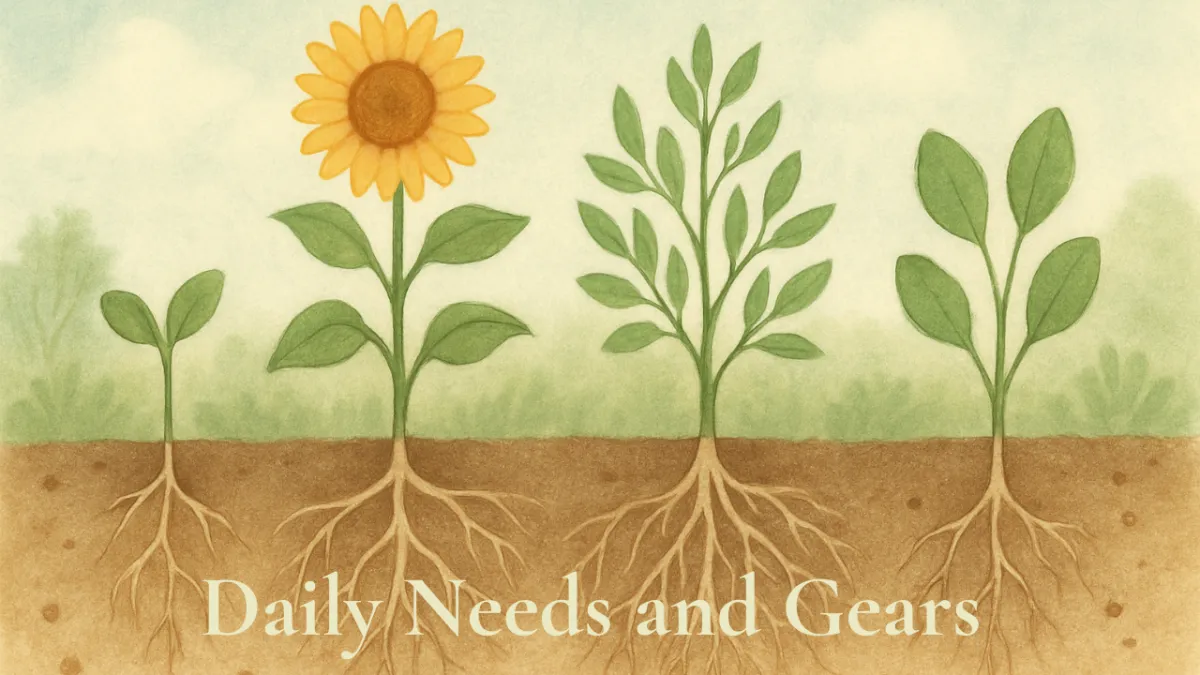
Daily Needs and how they underpin and support regulation
Regulation Gears and why rhythm matters across your day
How brain chemistry influences motivation and engagement
Moving from correction to co-regulation through shared routines
Supporting families with empathy, language and clear boundaries
Why small, repeated experiences create lasting change
Who this guide is for

This is an educator guide.
It is written for teachers, learning support staff, wellbeing teams and school leaders — anyone supporting children’s learning and development in educational contexts.
It is also used by parents who are closely involved in their children’s learning, including those partnering with schools, supporting learning at home or navigating non-traditional pathways.
The work is the same.
Wherever learning happens, nervous systems are present.
You do not need a neuroscience background.
You do not need to overhaul what you already do.
This guide is designed to integrate into existing practice, not sit alongside it.
What makes this guide different
It makes regulation and co-regulation understandable, not abstract
It translates trauma-aware ideas into everyday, workable practice
It does not add another program or layer of responsibility
It respects professional judgement and lived experience
It focuses on capacity, not compliance
This is a guide about understanding first, action second.
A note about pace

Many resources focus on quick fixes and immediate strategies.
This guide takes a different approach.
It begins by slowing you down, because when we understand what is really happening beneath behaviour, we stop reacting and start responding calmly, clearly and consistently.
This guide also models what it teaches. Its layout, pacing and structure are intentionally designed to reduce cognitive load rather than add to it. Analogies, humour, visuals and simple tools are used throughout to help complex ideas land without overwhelm.
There is a lot of valuable information here, and it is not meant to be rushed. The invitation is to notice, reflect and return. Understanding deepens over time, especially when learning feels accessible, practical and human.
What you receive
A comprehensive digital educator guide (PDF)
Clear frameworks that integrate into daily practice
Language and metaphors that work with children and adults
A resource designed for reflection, revisiting and real-world use
For School Leaders and Leadership Teams

Looking to support your whole school?
This guide is often used as the foundation for whole-school professional learning, helping teams build shared language, understanding and alignment around regulation, behaviour and wellbeing.
Schools can choose to:
purchase a whole-school licence for staff access
combine the guide with an introductory workshop to establish shared understanding
extend learning through follow-up workshops, coaching or parent sessions
All workshops and consulting are built directly from the frameworks in this guide, ensuring coherence between theory and practice.
Ready to support learning with more calm and clarity?

This guide is an invitation to move beyond abstract ideas and into practical, sustainable ways of supporting regulation, connection and learning — again and again.