Why Starting Is Often the Hardest Part of Learning
Why Starting Is Often the Hardest Part of Learning
Understanding behaviour, learning, and nervous systems
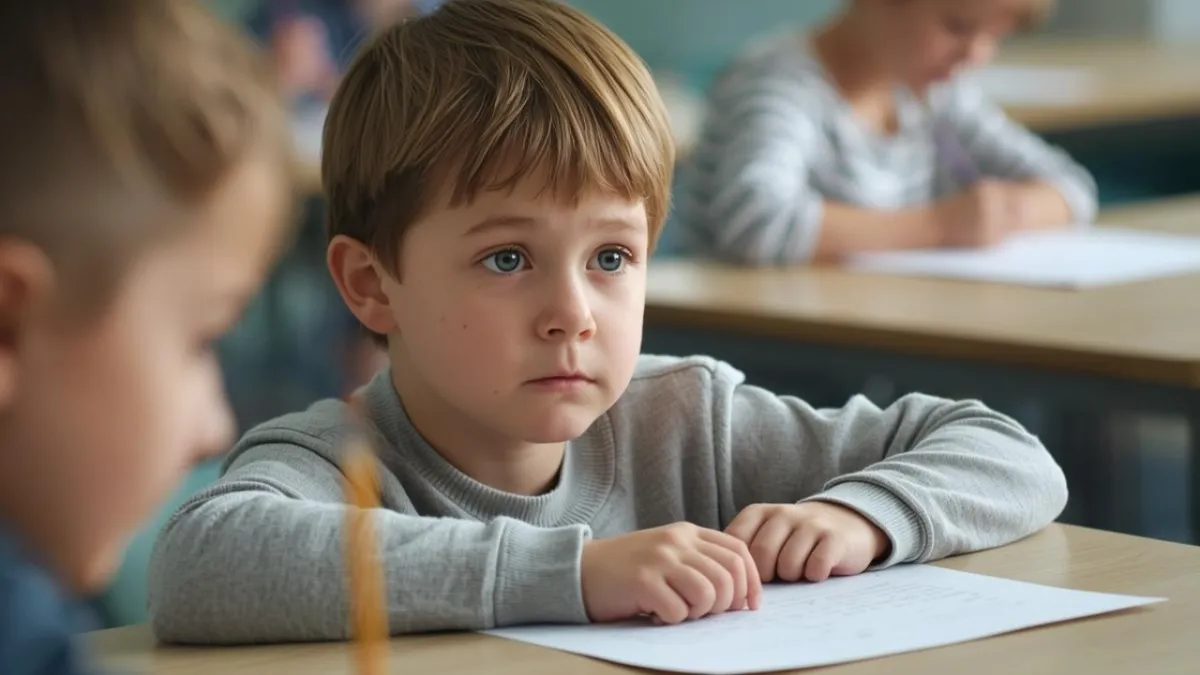
For many children, the hardest part of learning isn’t the thinking.
It’s the starting.
The page is blank.
The task is open-ended.
The expectations feel unclear.
And suddenly, nothing happens.
Children stall.
They avoid.
They ask questions they already know the answer to.
They sit and wait.
This isn’t laziness.
It’s often decision overload.
Starting requires more than we realise
To begin a task, a child must:
understand what’s being asked
decide where to start
hold multiple possibilities in mind
tolerate uncertainty
risk being wrong
All before they’ve written a single word.
That’s a lot for a developing nervous system to manage.
What’s happening beneath the surface
When starting feels overwhelming, the nervous system may:
freeze
seek reassurance
avoid the task
look for external direction
This is especially common in tasks that are:
creative
open-ended
evaluative
new or unfamiliar
The brain isn’t saying “I won’t”.
It’s saying “I don’t know how to enter this safely.”
Why pressure makes starting harder
A common response to difficulty starting is urgency.
“Just begin.”
“Write anything.”
“Have a go.”
While well-intentioned, pressure increases cognitive load.
When uncertainty already feels threatening, adding speed or evaluation makes the task feel even less safe.
Starting becomes harder — not easier.
Calm creates an entry point
Calm doesn’t remove challenge.
It creates access.
When nervous systems feel supported:
decision-making becomes possible
uncertainty is more tolerable
thinking can begin
This might look like:
talking before writing
offering a first step
narrowing choices
separating thinking from recording
slowing the moment down
These supports don’t reduce learning.
They make it reachable.
Starting is a skill — not a personality trait
Some children appear to “just get started”.
Others need time and support.
This isn’t about motivation or mindset alone.
It’s about how much uncertainty a nervous system can hold in that moment.
With support, children can learn how to enter tasks — and confidence grows from there.
A reframed question
Instead of asking:
Why won’t this child start?
We might ask:
What would make the starting point feel safe enough to step into?
That question changes how we design learning — and how children experience it.
Starting isn’t the opposite of learning.
For many children, it’s the gateway.
And when we support that gateway well, everything that follows becomes possible.
These articles explore how stress and calm show up in everyday classroom moments.
The foundations that sit beneath them are explored in
The Daily Needs of Calm, Connected & Creative Classrooms — a practical guide for educators and parents who want to better understand how to support children’s learning, behaviour, and wellbeing.


