Why Some Children Can’t Sit Still — and Why That Matters for Learning
Why Some Children Can’t Sit Still — and Why That Matters for Learning
Understanding behaviour, learning, and nervous systems
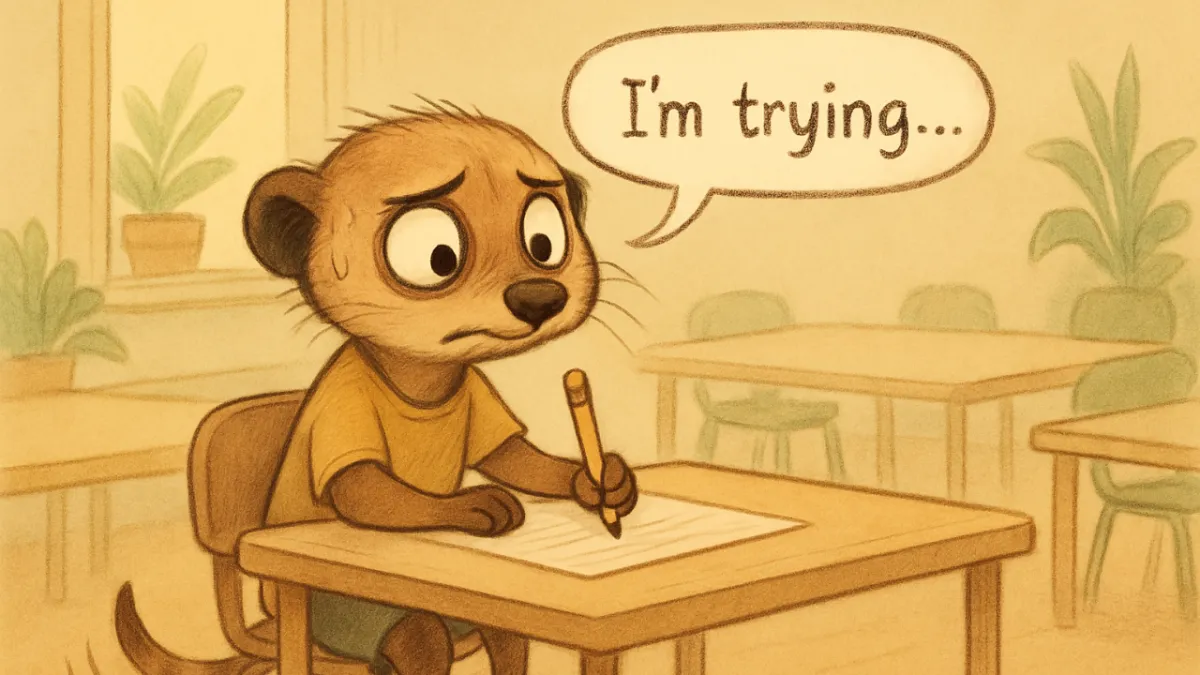
It’s a familiar classroom scene.
A child fidgets.
Rocks on their chair.
Taps their pencil.
Gets up repeatedly.
Often, the response is to focus on stopping the movement.
“Sit still.”
“Keep your body calm.”
“Try harder to concentrate.”
But for many children, movement isn’t the problem.
It’s the solution their nervous system is reaching for.
Movement is not always misbehaviour
For some children, staying still requires more effort than learning itself.
When a child’s nervous system is under stress or carrying a high level of arousal, movement can:
release tension
increase alertness
support focus
help regulate emotions
In these moments, asking a child to sit still is not a neutral request.
It’s a biological demand.
What’s happening underneath
When children struggle to remain seated or still, it’s often because their nervous system is trying to:
stay awake
stay organised
stay regulated
Movement provides sensory input that helps the brain:
filter information
maintain attention
manage internal discomfort
This doesn’t mean boundaries don’t matter.
It means movement is often functional, not defiant.
The either/or trap (again)
Movement in classrooms often pulls us into binary thinking.
Either:
we clamp down on movement to maintain order
orwe allow movement without structure
Neither extreme supports learning well.
Children still need:
safety
predictability
shared expectations
But they also need:
ways to regulate their bodies
opportunities to move with purpose
Calm bodies don’t always look still
One of the biggest misconceptions in education is that calm equals quiet and still.
For many nervous systems, calm looks like:
gentle movement
fidgeting with hands
shifting position
standing briefly before returning to work
Stillness may come after regulation — not before it.
Supporting learning without removing expectations
Supporting movement doesn’t mean abandoning classroom structure.
It can look like:
intentional movement breaks
flexible seating options
permission to stand or stretch
tasks that involve movement
short bursts of activity before focused work
These supports don’t lower standards.
They increase access to learning.
What movement tells us
When a child can’t sit still, it’s often a signal that:
their nervous system needs input
the learning demand is high
regulation support is required
Responding with understanding allows us to guide behaviour rather than battle it.
A reframed question
Instead of asking:
Why can’t this child sit still?
We might ask:
What does this child’s nervous system need in order to engage with learning right now?
That question changes how we design classrooms — and how children experience them.
Movement isn’t the opposite of learning.
For many children, it’s what makes learning possible.
These articles explore how stress and calm show up in everyday classroom moments.
The foundations that sit beneath them are explored in
The Daily Needs of Calm, Connected & Creative Classrooms — a practical guide for educators and parents who want to better understand how to support children’s learning, behaviour, and wellbeing.


